Buying a home in Blue Ridge, Georgia involves more than simply choosing a neighborhood or selecting a floor plan. This picturesque mountain town offers a lifestyle shaped by natural beauty, small‑town charm, and recreational opportunities, which can affect your decisions in unexpected ways. Many buyers overlook factors such as maintenance challenges, community dynamics, or long‑term investment considerations when making a purchase. Understanding these aspects early can help you make smarter choices and avoid surprises. This guide unveils the key questions every prospective buyer should consider before purchasing a home in Blue Ridge.
What kind of community is Blue Ridge exactly?
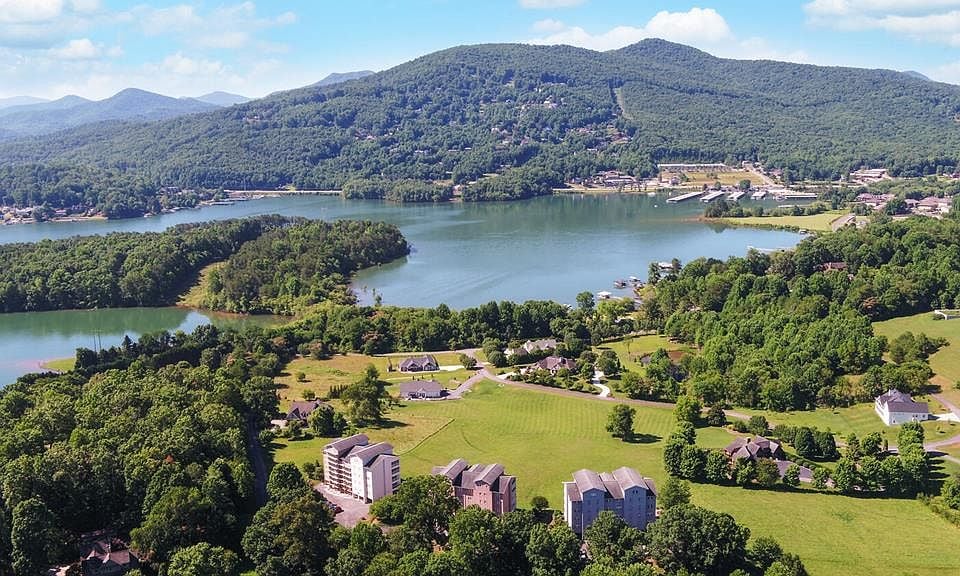
Blue Ridge is a small mountain town with a welcoming, close‑knit community. Its downtown area features charming streets lined with local shops, art galleries, and dining options, creating a walkable, vibrant atmosphere. Residents often enjoy a slower pace of life, surrounded by forests, rivers, and lakes that define the Appalachian setting. The town attracts a mix of longtime locals, retirees, and newcomers drawn to mountain living and scenic views. Understanding the town’s character is essential for buyers who want to fit comfortably into the community and enjoy its culture and amenities without being caught off guard by the lifestyle differences compared to larger cities.
What types of homes are available — and how does architecture and location impact price?
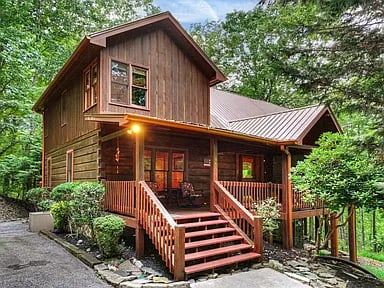
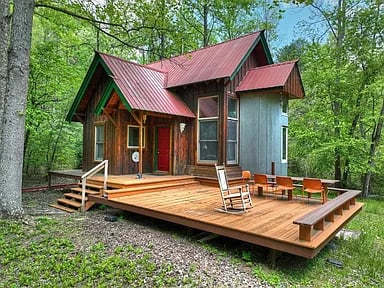
Blue Ridge offers a variety of homes, from historic cottages and downtown bungalows to modern cabins and mountain retreats. Location plays a significant role in price, with properties closer to natural features like lakes, rivers, or forested views typically commanding a premium. Homes downtown may be smaller but offer convenience and charm, while properties further out provide more space, privacy, and scenic surroundings. Architectural style also influences value, with classic mountain cabins often appealing to buyers seeking a rustic feel, while contemporary designs attract those prioritizing modern amenities. Buyers should carefully consider location, style, and long‑term maintenance when selecting a home.
How does the natural environment — climate, terrain, and forest — affect homeownership?
The mountain setting of Blue Ridge offers striking scenery and abundant outdoor activities, but it also brings practical considerations. Forested areas and variable terrain can impact drainage, accessibility, and property maintenance. Homes near lakes or rivers may require additional inspections for moisture management or flood prevention. Seasonal weather changes can affect energy efficiency and the lifespan of exterior materials, making insulation and proper ventilation important. For buyers who value outdoor living, proximity to trails, waterways, and natural landscapes is a major plus, but it also demands an understanding of the environment’s impact on construction, upkeep, and daily living in a mountain community.
What lifestyle trade‑offs should buyers expect?
Living in Blue Ridge provides a relaxed, nature-oriented lifestyle that appeals to those seeking a slower pace. Residents enjoy outdoor recreation such as hiking, fishing, and boating, along with a strong sense of local culture through arts, dining, and community events. However, the rural setting means that some conveniences found in larger cities, such as extensive shopping and public transportation, are limited. Buyers must weigh the benefits of scenic beauty, quiet neighborhoods, and outdoor activities against the need to travel for certain services. Choosing Blue Ridge is as much about embracing a lifestyle as it is about selecting a home.
What about investment potential or vacation‑home considerations?
Blue Ridge attracts buyers interested in vacation properties, second homes, and potential rental opportunities due to its scenic charm and recreational appeal. Properties with mountain or lake views are particularly desirable, and homes used as vacation rentals can generate income when managed properly. Buyers should research local regulations, seasonal demand, and maintenance requirements before investing. While the area offers strong potential for long-term appreciation, mountain homes often come with additional responsibilities, such as upkeep in forested settings and weather-related maintenance. Evaluating both lifestyle and financial goals helps buyers make informed decisions regarding primary residences or investment properties in Blue Ridge.
What questions should a responsible buyer ask before purchasing in Blue Ridge?
A careful buyer should consider the condition of the property and its suitability for the mountain environment, including roofing, insulation, and drainage. Assessing ongoing costs beyond the mortgage, such as utilities, maintenance, and insurance, is critical. Buyers should also ask about local regulations if considering rental use, as well as resale potential. Evaluating lifestyle fit is just as important, including proximity to recreation, accessibility to services, and compatibility with community culture. Taking a thorough approach to questions ensures that buyers make well-informed decisions that protect both their investment and their quality of life in this scenic mountain town.
Begin Your Home Search with Confidence
Buying real estate in Blue Ridge requires preparation, knowledge, and a clear understanding of the town’s unique features. Partnering with a knowledgeable local expert can simplify the process, helping you navigate property types, environmental considerations, and investment potential. Whether seeking a cozy cabin, a scenic retreat, or a family home, contact Nathan Fitts & Team today to explore available properties and gain personalized guidance throughout your homebuying journey.
*Header photo courtesy of Unsplash
*Header photo courtesy of Unsplash