By Nathan Fitts & Team
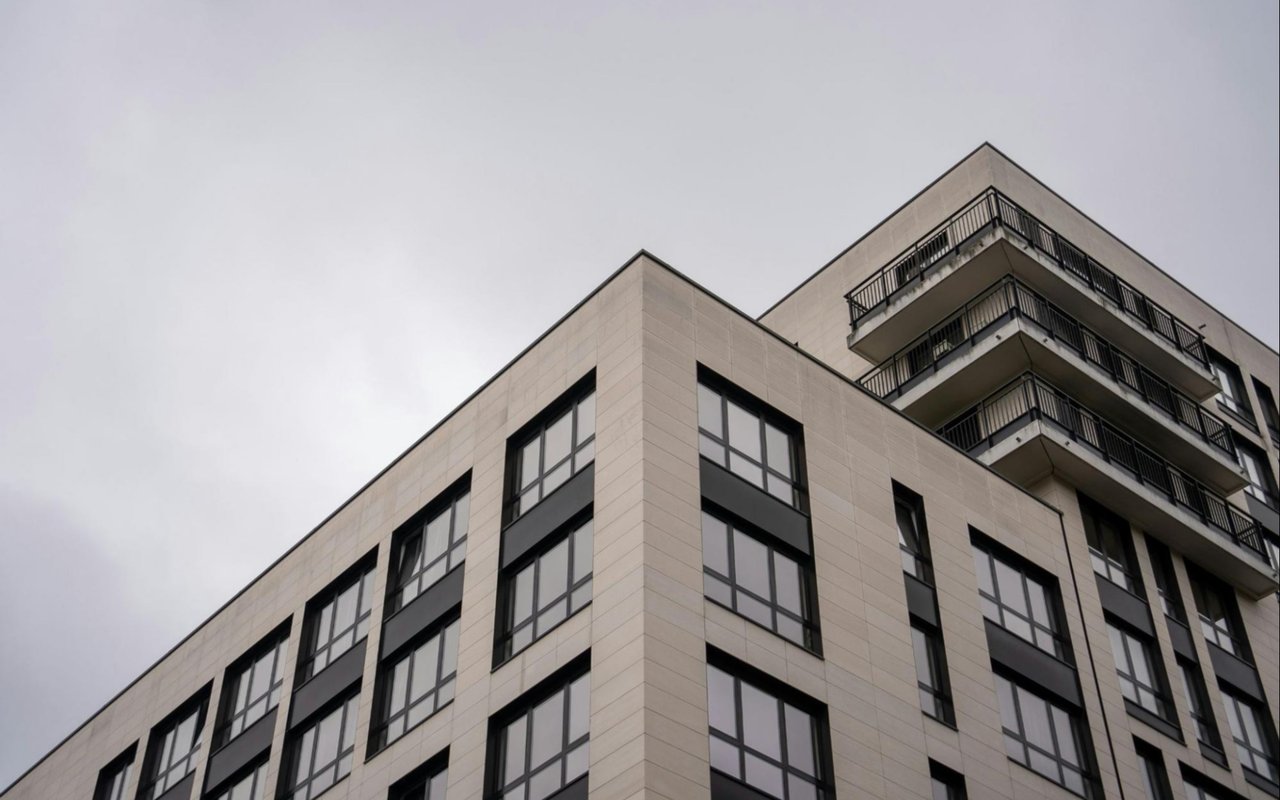
Blue Ridge’s commercial landscape has evolved alongside its growth as a tourism and lifestyle destination. From storefronts near East Main Street to mixed-use opportunities along Appalachian Highway, interest in business property has steadily increased. For buyers entering this segment for the first time, the process looks very different from purchasing a cabin or primary residence. Understanding how to buy commercial property in Blue Ridge begins with clarity around goals, financing, and long-term positioning.
Key Takeaways
- Commercial transactions differ significantly from residential
- Location and zoning drive long-term value
- Financing structures require additional preparation
- Due diligence is more extensive than many expect
Define Your Investment Objective First
Questions to clarify early
- Owner-occupied or investment property?
- Retail, office, or mixed-use?
- Short-term flip or long-term hold?
Commercial property should align with a clear objective. A buyer planning to open a storefront near downtown Blue Ridge will evaluate differently than an investor seeking long-term rental income from office space. Determining whether the property will house your own business or generate passive income shapes nearly every decision that follows. Clarity at the outset simplifies the path forward when learning how to buy commercial property.
Understand Zoning and Permitted Use
What to confirm before moving forward
- Current zoning designation
- Allowed business activities
- Future development plans nearby
Blue Ridge and Fannin County zoning regulations dictate how commercial properties may be used. A building’s location does not automatically guarantee your intended business activity is permitted. Reviewing zoning classifications and any future municipal plans prevents costly surprises after closing. Due diligence in this area protects both capital and timeline.
Evaluate Location Beyond Visibility
Factors that influence long-term success
- Traffic patterns
- Parking availability
- Proximity to downtown or tourist corridors
High visibility can be valuable, but it is only one piece of the equation. Properties near downtown Blue Ridge may benefit from foot traffic, while locations along Highway 515 offer strong drive-by exposure. Access, parking capacity, and ease of entry all influence tenant appeal and business performance. Location strategy plays a central role in how to buy commercial property effectively.
Prepare for Different Financing Requirements
How commercial loans differ
- Larger down payments
- Shorter amortization periods
- Higher interest rates
Commercial financing typically requires stronger financial documentation and larger equity contributions than residential purchases. Lenders may evaluate projected income, lease structures, and business plans in addition to borrower creditworthiness. Preparing documentation early streamlines the approval process. Understanding financing expectations prevents delays during contract negotiation.
Conduct Thorough Property Due Diligence
Inspections and evaluations to consider
- Structural and roof condition
- HVAC and electrical capacity
- ADA compliance
Commercial inspections often go beyond a standard residential review. Evaluating roof age, mechanical systems, and compliance with accessibility standards is critical. In older Blue Ridge buildings, particularly near historic sections of town, upgrades may be necessary to meet code requirements. Detailed review ensures realistic budgeting and operational planning.
Analyze Income Potential Carefully
What investors should examine
- Existing lease agreements
- Tenant history
- Operating expenses
For income-producing properties, lease structures and tenant stability matter significantly. Reviewing rent rolls, lease terms, and expense histories helps determine actual net operating income. Vacancy assumptions should be realistic, especially in seasonal markets like Blue Ridge. Sound financial analysis strengthens long-term investment positioning.
Consider Market Demand Trends
Why timing matters
- Growth in tourism-driven retail
- Service-based business expansion
- Local population increases
Blue Ridge’s continued visibility as a travel destination has expanded demand for certain business types. Retail, hospitality-adjacent services, and professional offices supporting regional growth all contribute to evolving commercial activity. Market awareness informs both acquisition and exit strategy. Context shapes decision-making when evaluating how to buy commercial property in a growing market.
Account for Ongoing Management
Responsibilities to plan for
- Property maintenance
- Lease administration
- Tenant communication
Commercial ownership involves operational oversight beyond the closing table. Whether self-managed or professionally managed, properties require consistent attention to maintenance and lease compliance. Factoring management time and expense into projections prevents strain later. Operational readiness supports sustainable ownership.
FAQs
Is buying commercial property riskier than residential?
It carries different risks, particularly related to tenant stability and economic cycles.
Do I need a larger down payment?
Typically, yes. Commercial lenders often require higher equity contributions.
How long does a commercial transaction take?
Commercial deals can take longer due to financing and due diligence complexity.
Taking the First Step in Blue Ridge Commercial Real Estate
Entering the commercial market requires preparation, strategic evaluation, and a clear understanding of objectives. With the right groundwork, commercial property in Blue Ridge can align with both business growth and long-term investment goals.
If you’re exploring how to buy commercial property in Blue Ridge and want guidance tailored to local opportunities, reach out to us at Nathan Fitts & Team. We provide insight into positioning, valuation, and negotiation so you can move forward with clarity and confidence.
If you’re exploring how to buy commercial property in Blue Ridge and want guidance tailored to local opportunities, reach out to us at Nathan Fitts & Team. We provide insight into positioning, valuation, and negotiation so you can move forward with clarity and confidence.