Dreaming about a mountain place you can actually use on weekends, not just talk about someday? If you live in Fulton County, a North Georgia second home can be close enough for regular trips but different enough to feel like a real escape. The key is to plan around how you want to use the property, what each county offers, and what ownership costs may look like after closing. Let’s dive in.
Start With Your Second-Home Goal
Before you compare cabins, lake homes, or land, get clear on your main reason for buying. Your second home might be a weekend retreat, a place for family gatherings, a future retirement base, or a property you also hope to rent on a short-term basis.
That decision matters more than many buyers expect. A low-maintenance weekend place calls for a different budget and location strategy than a home that also needs to support guest turnover, compliance steps, and ongoing reporting.
For Fulton County buyers, this is often the fork in the road that shapes everything else. Once you know whether lifestyle, income potential, or a mix of both is driving the purchase, it becomes much easier to narrow down the right North Georgia market.
Know the Core Costs
The purchase price is only part of the picture. A well-planned second-home budget should also include the costs that show up after the keys are in your hand.
You will usually want to account for:
- Down payment
- Closing costs
- Property taxes
- Insurance
- Utilities
- Furnishings
- Routine maintenance
- A reserve fund for mountain-specific repairs
Mountain properties can bring added site-related expenses too. In Fannin County, building department materials reference the need for approved city water and sewer tap or approved septic, and septic installation can be part of the equation. In Towns County, land disturbance above 2,200 feet requires a Mountain Protection Permit.
That means a great view can come with added planning. If you are considering land, new construction, or a property that needs major improvement, it is smart to evaluate site work early rather than treat it as an afterthought.
Understand Georgia Second-Home Tax Basics
A common mistake is assuming a second home will be taxed like your primary residence. In Georgia, the homestead exemption applies to a primary residence, not a second home.
That does not mean a North Georgia getaway cannot be a smart purchase. It simply means you should budget with the correct ownership structure in mind and avoid counting on primary-residence tax treatment for a mountain property.
If you plan to rent the home short term, there is another layer to know. Georgia taxes accommodations, and the Georgia Department of Revenue says the state hotel-motel fee is $5 per night for short-term rentals, including cabins and marketplace-managed rentals.
Compare North Georgia County Options
For many Fulton County buyers, the search narrows to Fannin, Gilmer, or Towns County. Each one offers a different style of second-home ownership experience.
Fannin County and Blue Ridge
Blue Ridge is one of the best-known mountain destinations for Atlanta-area buyers. Official tourism information says Georgia’s Blue Ridge is about 90 miles north of Atlanta and includes 106,000 acres of Chattahoochee National Forest, 300 miles of hiking trails, the starting point of the Appalachian Trail, and 100 miles of trout streams.
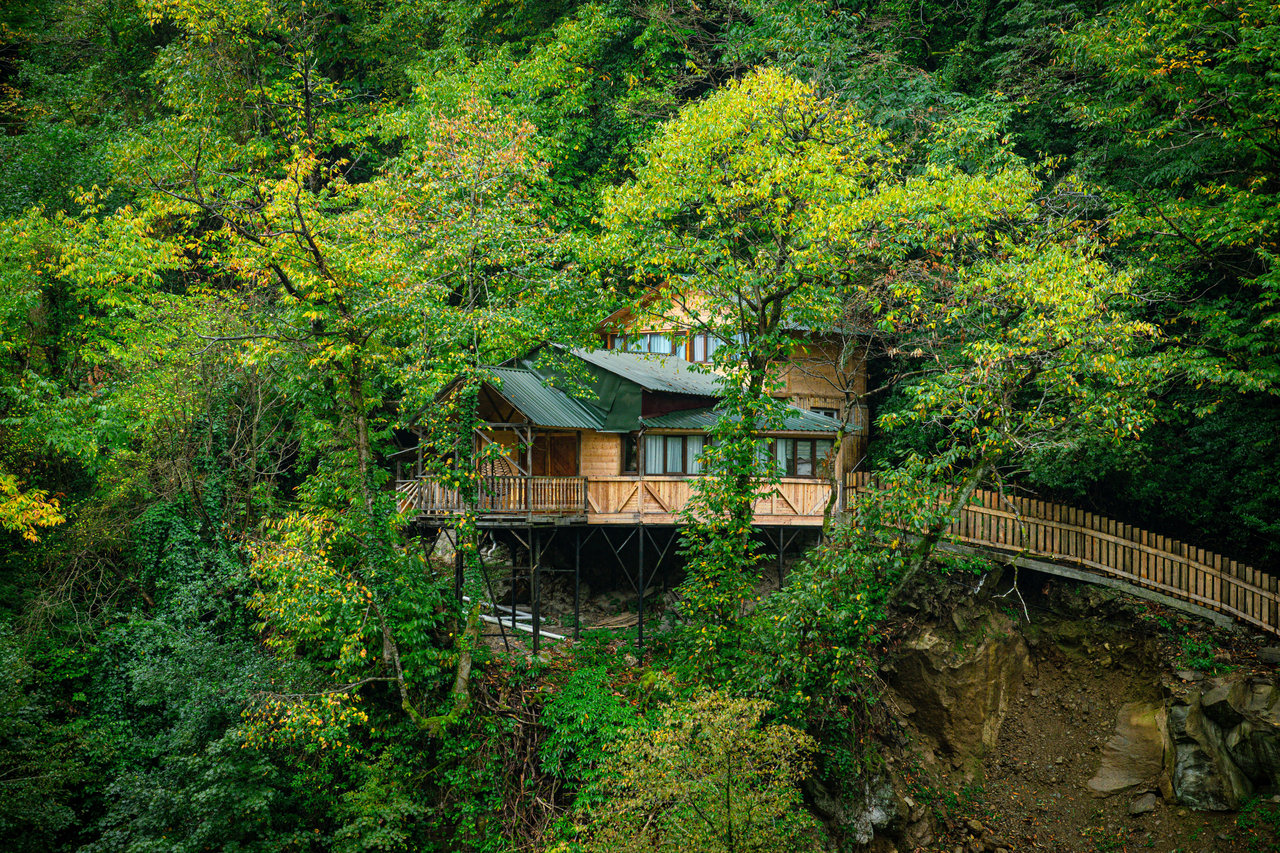
For you, that often translates into strong weekend appeal. If you picture a classic mountain cabin, a scenic retreat, or a home base near outdoor recreation, Fannin County is often high on the list.
Fannin is also a county where short-term-rental paperwork deserves early attention. The county’s application packet says owners should provide a deed, E-911 markers, local point of contact details, occupancy information, and a new-certificate fee of $225.
The county also states that renting without the certificate carries a $1,000 fine. Its lodging-tax information says owners should wait until closing is complete and the deed is secured before applying, and owners still must complete monthly reporting even if a marketplace facilitator handles tax collection.
Gilmer County and Ellijay
Ellijay offers a different feel. Official regional materials describe it as Georgia’s Apple Capital and an Appalachian Trail Community, with mountain views, rivers, restaurants, biking, hiking, and specialty shops.
If you want a mountain base with a smaller-town, inland feel, Gilmer County may fit what you are after. It can appeal to buyers who want easy access to mountain recreation but are not focused first on lake living.
Gilmer also stands out for its short-term-rental requirements. The county says its short-term-rental ordinance took effect on July 1, 2025, with full enforcement beginning January 1, 2026.
Its STR page says new host-license applications are online only, ads must include the license number, and violations can trigger fines. The listed penalties include $250 per ad violation, $900 for doing business without a license, and a $50 re-inspection fee.
Towns County, Hiawassee, and Lake Chatuge
If lake access is your priority, Towns County deserves a close look. Official Hiawassee materials say the city sits on Lake Chatuge, about 110 miles from Atlanta and only a few miles south of the North Carolina border.
Area materials from the Lake Chatuge chamber say the region is less than a two-hour drive from the Atlanta area and offers fishing, water sports, golf, hiking, horseback riding, concerts, fairs, festivals, arts, crafts, and antiquing. For many buyers, that creates a true getaway feel with strong recreation appeal.
Towns County also comes with an important city-versus-county reminder. Hiawassee’s 2026 business-license application asks whether the business is a VRBO, AirBnB, or rental-property type business, and it notes that occupational tax certificates expire each December 31 and renew annually.
That means you should verify whether a property is inside Hiawassee city limits before assuming county-only rules apply. With second homes, even a small map detail can affect your compliance checklist.
Match the County to Your Lifestyle
The best county for you depends on how you want to spend your time there. A property that feels perfect for one buyer may be the wrong fit for another.
Here is a simple way to think about the three areas:
- Fannin County: Strong weekend-cabin appeal, Blue Ridge access, tourism visibility, and classic mountain retreat energy
- Gilmer County: Inland mountain setting, orchard-and-river feel, and a smaller-town base centered on scenery and outdoor access
- Towns County: Lake Chatuge access, scenic water-focused living, and a more getaway-oriented feel tied to lake and mountain recreation
This is where local guidance matters. Two homes may look similar online, but road access, terrain, city limits, utility setup, and rental rules can make the ownership experience very different.
Think Through Rental Compliance Early
If your second home also needs to work as a short-term rental, treat compliance as part of your buying strategy, not something to figure out later. In North Georgia mountain markets, that can affect where you buy, how much you spend, and what kind of property makes sense.
At a minimum, you may be dealing with state tax, county tax, and possibly city or HOA rules. These layers do not always replace one another, so it is important to verify each one for the exact property you are considering.
Another key point is reporting. Fannin County says owners still must complete monthly reporting even if a marketplace facilitator collects taxes, and Gilmer County requires monthly hotel-motel reporting with supporting documentation.
If you live in Fulton County and plan to manage the property from a distance, that ongoing admin work should be part of your decision. Some buyers want a true lock-and-leave escape, while others are comfortable with the demands of a rental-driven property.
Check the Property Before the View Sells You
Mountain real estate can be beautiful at first glance, but practical details matter just as much as scenery. Before you get attached, confirm the basics that can affect cost, use, and long-term enjoyment.
Focus on items like:
- Septic or sewer approval
- Water access or utility setup
- Driveway conditions and access
- Emergency access and E-911 markers where required
- Whether city limits change licensing rules
- Whether elevation or land disturbance rules affect future work
This kind of planning protects both your budget and your expectations. A property can be a great fit on paper but still need extra work to function the way you want.
Build a Smarter Fulton-to-Mountains Plan
For Fulton County buyers, one of the biggest advantages of North Georgia is access. You can own something that feels far away without being far removed from your day-to-day life.
Still, a smart second-home purchase is rarely just about distance. It is about balancing lifestyle goals, ownership costs, local rules, and the realities of mountain property so that your purchase supports the way you actually want to use it.
That is where an experienced mountain-market team can make the process easier. When you have local insight on cabins, lake homes, land, construction factors, and rental considerations, you can move forward with more clarity and fewer surprises.
If you are planning a North Georgia second home from Fulton County, Nathan Fitts & Team LLC - The Leading Name in Real Estate can help you compare areas, evaluate property fit, and make a plan that matches your goals.
FAQs
What should Fulton County buyers decide first when planning a North Georgia second home?
- Start with your intended use, such as weekend living, future retirement, family use, or short-term rental income, because that decision shapes location, budget, and compliance needs.
Do North Georgia second homes qualify for Georgia homestead exemption?
- No. Georgia homestead exemption applies to a primary residence, not a second home.
What short-term rental tax issue should Fulton County buyers know in Georgia?
- Georgia taxes accommodations, and the state hotel-motel fee is $5 per night for short-term rentals, including cabins and marketplace-managed rentals.
What makes Fannin County a strong option for Fulton County second-home buyers?
- Fannin County offers Blue Ridge access, major outdoor recreation, and a classic mountain-cabin setting that is especially appealing for weekend use.
What should buyers know about Gilmer County short-term rental rules?
- Gilmer County says its short-term-rental ordinance took effect July 1, 2025, with full enforcement beginning January 1, 2026, and it requires online licensing, license numbers in ads, and compliance with reporting rules.
Why should second-home buyers verify Hiawassee city limits in Towns County?
- Because properties inside Hiawassee city limits may be subject to city business-license requirements in addition to county-level rules.
What mountain property details should Fulton County buyers check before buying?
- Buyers should verify septic or sewer, water access, driveway and emergency access, utility setup, and whether elevation or land-disturbance rules could affect future work.
Can a short-term rental platform handle everything for a North Georgia second home?
- Not always. Fannin County says owners still must complete monthly reporting even if a marketplace facilitator collects taxes, and Gilmer County also requires monthly hotel-motel reporting with documentation.