By Nathan Fitts & Team
In Blue Ridge, a historic home search usually stretches beyond Main Street into older residential pockets near West First Street, East Main Street, Church Street, and roads that lead toward Mineral Bluff and the Toccoa River corridor. When we talk about how to find a historic home in Blue Ridge, GA, we are talking about the construction era, setting, land use, and how a house fits the mountain character that still defines Fannin County.
That is what makes this search more specific than a general hunt for cabin property in North Georgia.
Key Takeaways
- Start local: Focus on streets with older building patterns
- Read details: Use materials, rooflines, and porches
- Check records: Confirm age, updates, and land history
- Match lifestyle: Align architecture with mountain living
Start in the Parts of Blue Ridge Where Older Homes Still Read Clearly
We usually begin with the in-town grid and the close-in roads that developed around Blue Ridge’s railroad and courthouse core.
Where We Focus First
- Downtown edges: Older residential blocks near West First Street and Church Street
- East Main corridors: Homes with strong walk-to-town appeal and older street patterns
- Mineral Bluff routes: Historic houses tied to long-standing Fannin County settlement
- Toccoa-area roads: Parcels with older farmstead character and mountain views
Learn the Architectural Clues That Show Up in Blue Ridge
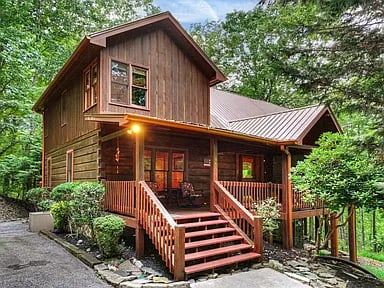
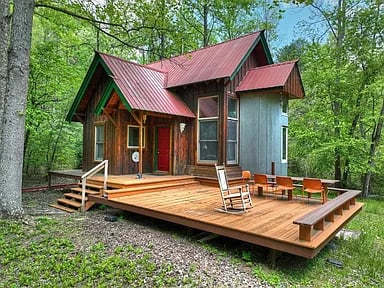
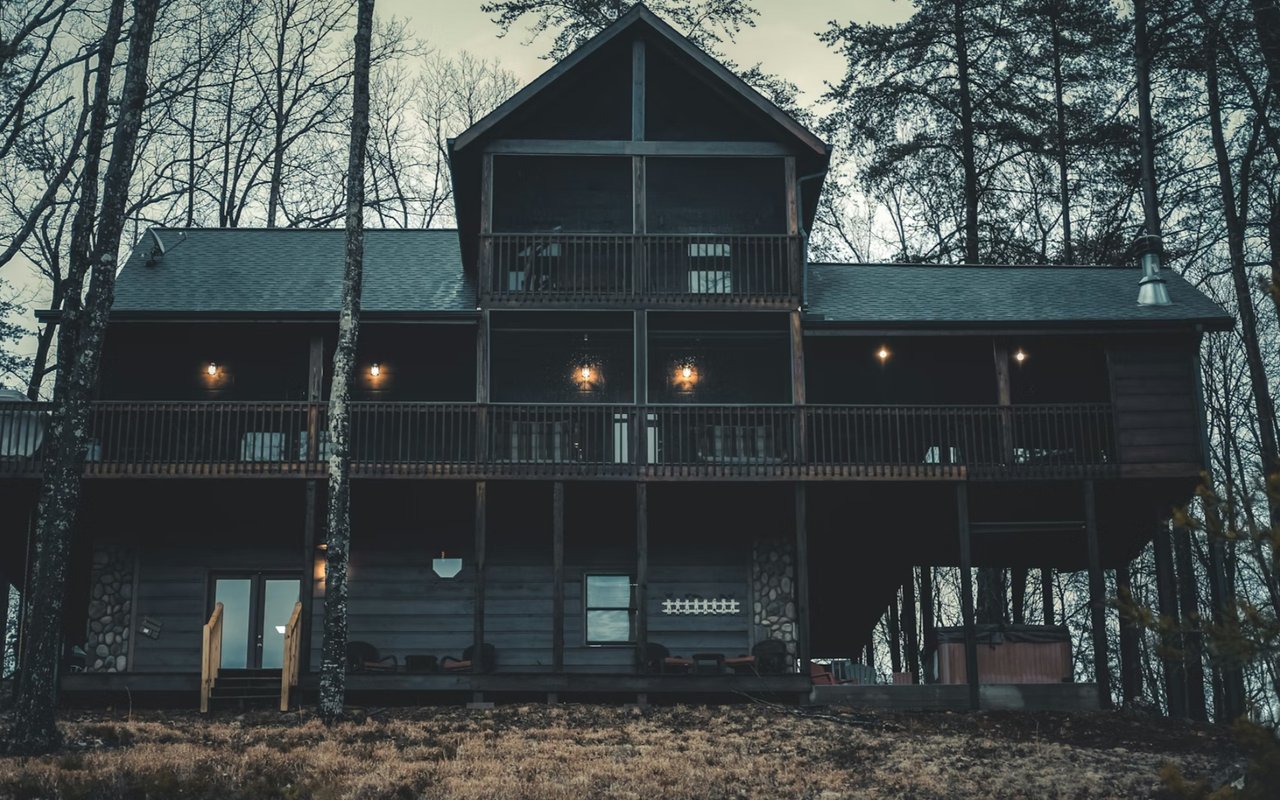
We pay close attention to exterior details because mountain historic homes in Blue Ridge usually announce their age through materials and proportions before anyone steps inside.
What We Look For on the Exterior
- Deep porches: A practical feature for mountain weather and outdoor living
- Fieldstone elements: Local stone used in chimneys, steps, and foundations
- Wood siding: Traditional cladding that fits the age of the structure
- Window rhythm: Older spacing and proportions that reflect the original design
Verify the History Before You Fall for the Charm
We always move from visual appeal to documentation because age claims in mountain markets can blur together when cabins, farmhouses, and renovated second homes share similar finishes.
What We Verify Early
- Build year: Tax and deed records that support the home’s timeline
- Major updates: Roof, electrical, plumbing, and HVAC work
- Foundation type: Crawl space, basement, or pier construction
- Land history: Past use that explains barns, outbuildings, or road access
Pay Attention to Setting, Acreage, and Road Character
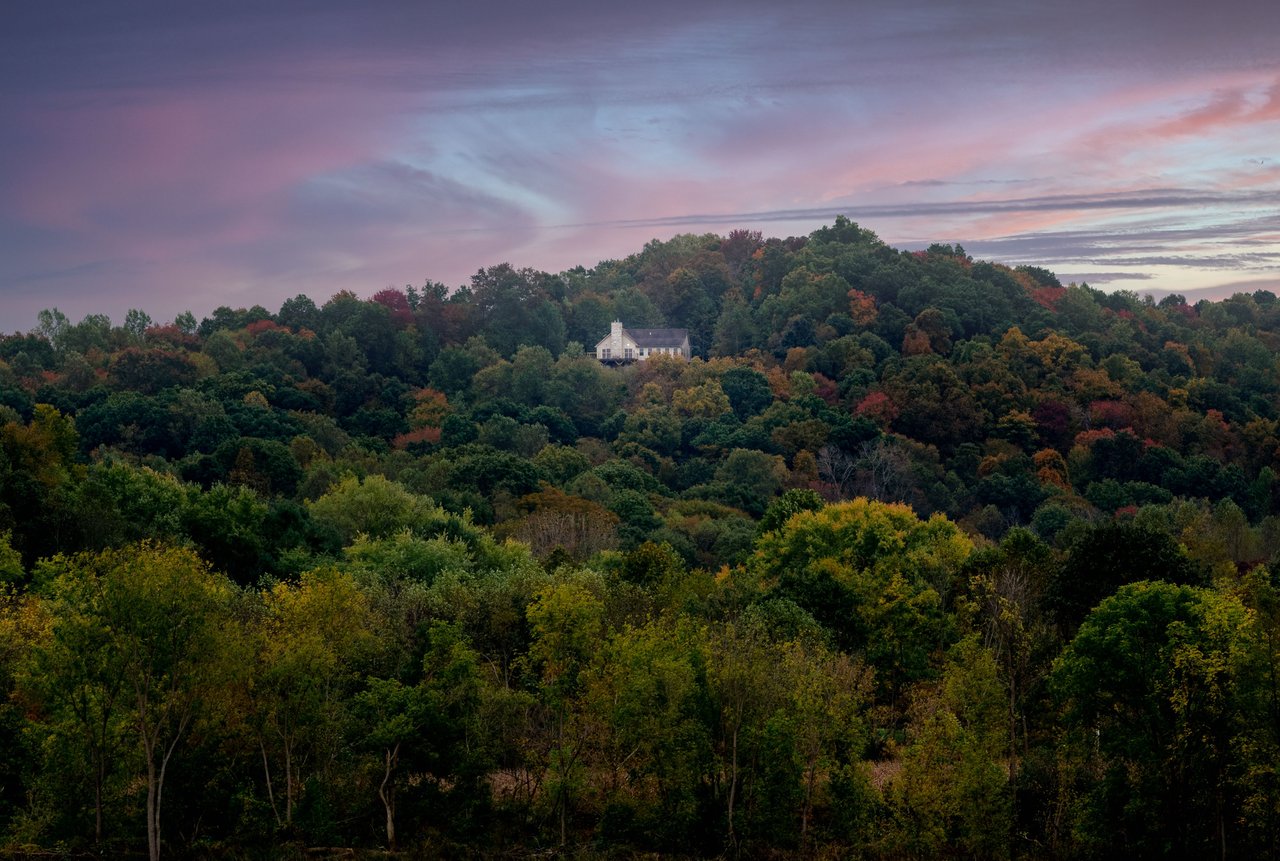
Historic homes in Blue Ridge are rarely just about the house, because the land around the structure shapes the entire experience.
The Setting Details We Compare
- Road approach: Gravel drive, paved access, and grade changes
- Topography: Ridge, valley, creekside, or gently rolling land
- Outbuildings: Barns, sheds, spring houses, or detached workshops
- Town connection: Distance to downtown Blue Ridge and daily amenities
Build a Search Strategy That Fits Blue Ridge Specifically
Blue Ridge has enough demand for cabins and newer mountain homes that historic properties can get overlooked or mislabeled unless the search is tailored carefully.
How We Refine the Search
- Use age filters: Narrow results by likely construction period
- Search by street: Track established roads with older housing stock
- Read photos closely: Spot original details that the remarks miss
- Tour quickly: Move early when a rare historic listing appears
FAQs
Which parts of Blue Ridge tend to have the strongest historic-home potential?
We usually start near downtown Blue Ridge, including streets around West First, East Main, and Church Street, then expand toward Mineral Bluff and older rural corridors. Those areas make it easier to find homes tied to the town’s earlier development pattern.
What features make a house feel truly historic in Blue Ridge?
We look for original porch structure, stone chimneys, older wood siding, traditional window spacing, and a house form that fits the mountain setting. The land and outbuildings often add just as much evidence as the house itself.
How much renovation should we expect with an older home here?
That depends on the level of preservation and the quality of system updates already completed. We usually evaluate roof condition, drainage, foundation support, and utility upgrades before we decide how much work the property is likely to need.
Contact Nathan Fitts & Team Today
We know Blue Ridge well enough to distinguish a true historic opportunity from a mountain home that simply borrows older design cues.
Reach out to us at Nathan Fitts & Team, and we will help you compare downtown streets, courthouse-adjacent blocks, Mineral Bluff routes, and legacy properties outside town with a sharper local lens.
Reach out to us at Nathan Fitts & Team, and we will help you compare downtown streets, courthouse-adjacent blocks, Mineral Bluff routes, and legacy properties outside town with a sharper local lens.