By Nathan Fitts & Team
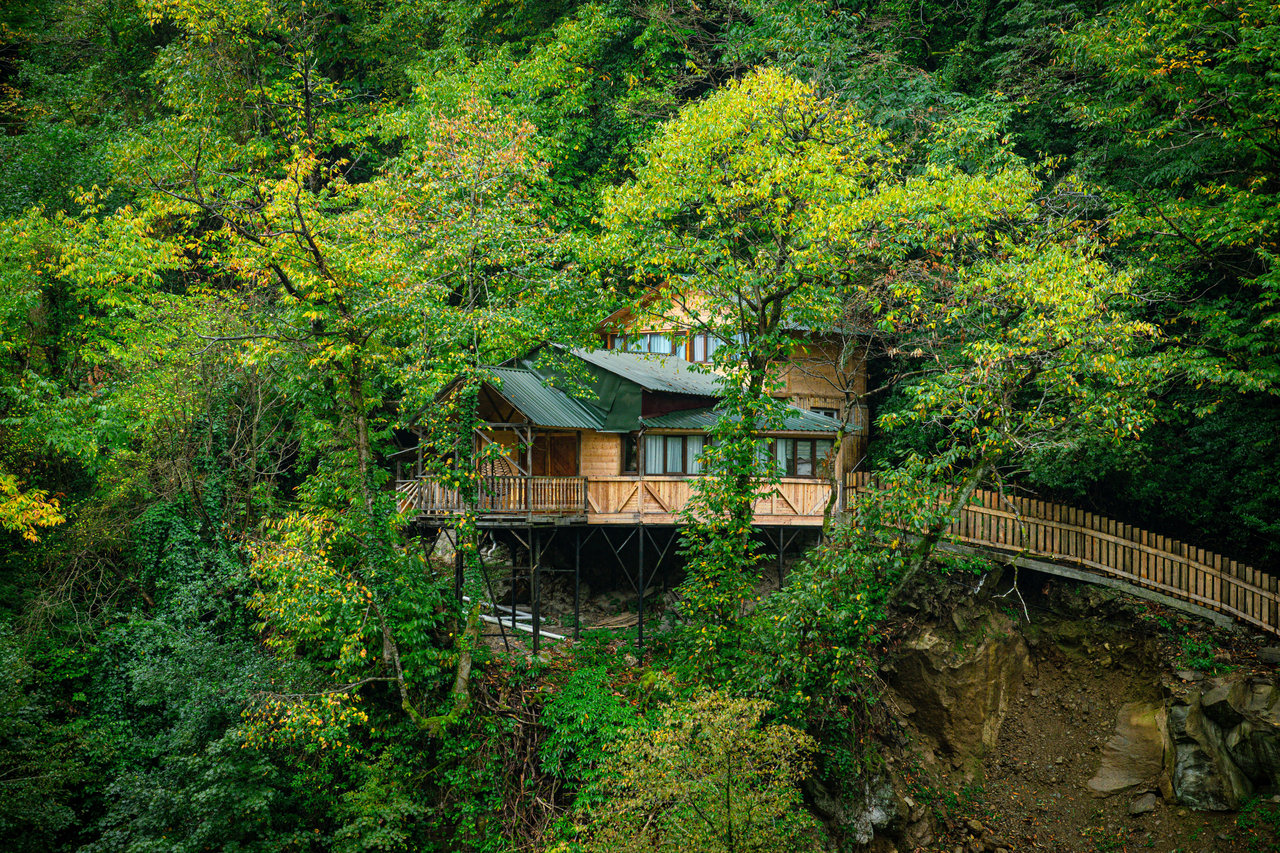
Not every Blue Ridge home is a sprawling mountain estate. Many cabins, vacation properties, and downtown cottages prioritize charm and location over square footage. Whether you’re working with a cozy A-frame near the Aska Adventure Area or a compact retreat close to downtown Blue Ridge, thoughtful design choices can dramatically change how a space feels and functions. Strategic interior design for small spaces helps maximize usability without sacrificing the warmth that defines mountain living.
Key Takeaways
- Layout and furniture scale matter more than décor volume
- Light and color influence perceived size
- Storage should be intentional and built-in when possible
- Cohesive design prevents visual clutter
Choose Furniture That Fits the Scale
Why proportion is everything
- Avoid oversized sectionals
- Select low-profile seating
- Use multi-functional pieces
Large furniture can overwhelm smaller cabins and cottages. In Blue Ridge homes with open great rooms but modest square footage, low-profile sofas and streamlined chairs preserve walking space and sightlines. Multi-functional pieces—like ottomans with storage or expandable dining tables—allow rooms to serve multiple purposes without crowding. Right-sized furniture supports interior design for small spaces without compromising comfort.
Embrace Vertical Space
Where to look upward
- Tall shelving units
- Vertical shiplap or paneling
- Statement lighting that draws the eye up
Many Blue Ridge cabins feature vaulted ceilings or exposed beams, even in smaller layouts. Using vertical shelving or design elements that draw attention upward enhances the perception of height. Tall bookcases and vertical paneling create visual extension without increasing footprint. Highlighting ceiling height adds dimension to compact interiors.
Use Light to Open Up the Room
Practical ways to brighten interiors
- Sheer window treatments
- Warm, layered lighting
- Mirrors placed strategically
Natural light plays a major role in mountain homes, particularly those surrounded by trees. Sheer window coverings allow daylight to filter in while maintaining privacy. Layered lighting—combining recessed fixtures, sconces, and table lamps—prevents dark corners that can shrink a room visually. Mirrors positioned opposite windows reflect light and expand the sense of space.
Keep Color Palettes Cohesive
Why simplicity creates openness
- Neutral base tones
- Limited accent colors
- Consistent finishes throughout
In smaller homes, too many contrasting colors can break up the visual flow. Neutral palettes with subtle variations—such as warm whites, soft grays, or natural wood tones—create continuity from room to room. In Blue Ridge properties, these hues complement stone fireplaces and exposed timber without overwhelming the layout. Cohesion is a cornerstone of effective interior design for small spaces.
Build in Storage Whenever Possible
Smart storage solutions
- Under-stair cabinetry
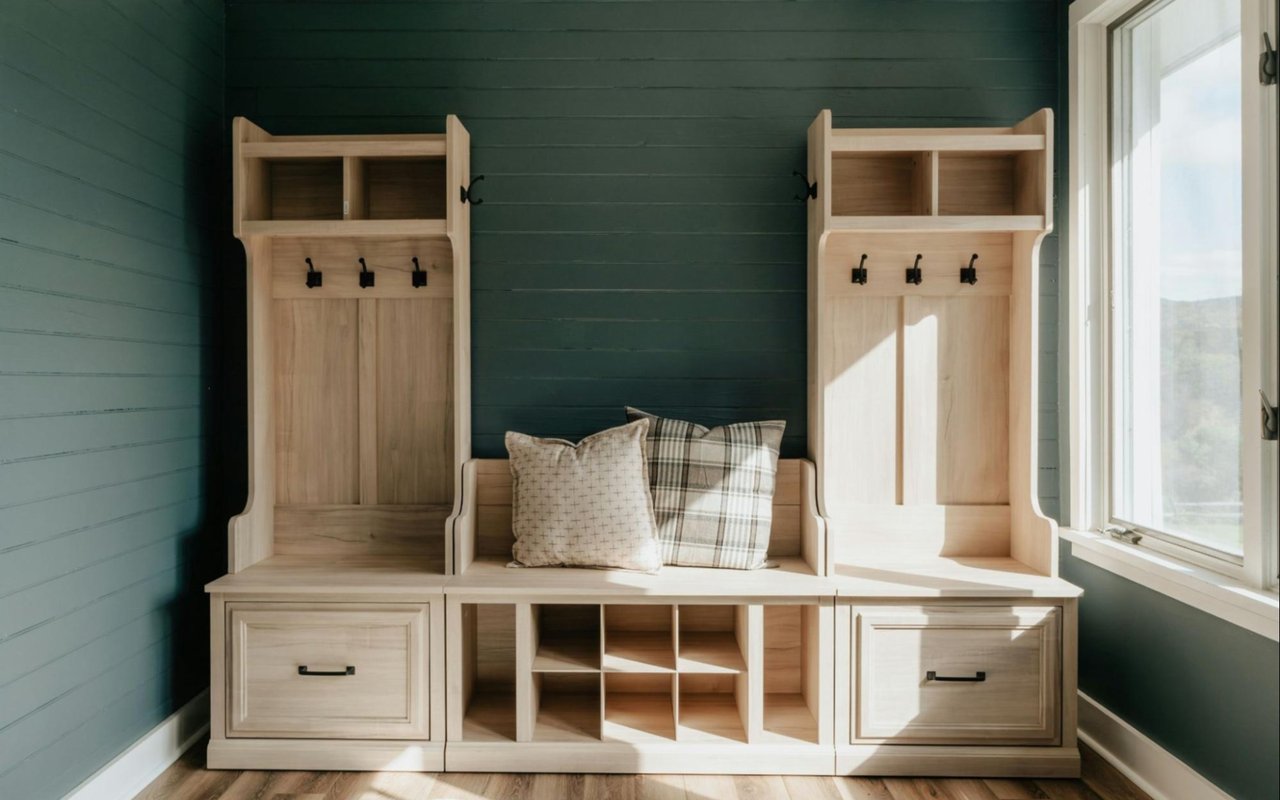
- Built-in benches with compartments
- Floating shelves instead of bulky units
Clutter reduces usable space quickly. Built-in storage solutions help maintain clean lines while maximizing function. In cabins near Lake Blue Ridge that host weekend guests, hidden storage keeps living areas organized without sacrificing charm. Thoughtful storage often improves daily usability more than decorative upgrades.
Define Zones in Open Layouts
How to create structure without walls
- Area rugs to anchor seating
- Lighting variations for each zone
- Furniture placement that guides traffic
Open-concept layouts are common in Blue Ridge cabins, but without clear definition, smaller spaces can feel undefined. Area rugs help anchor seating areas, while varied lighting distinguishes dining from living zones. Intentional furniture placement establishes pathways and prevents congestion. Subtle zoning enhances both function and visual balance.
Incorporate Natural Elements Thoughtfully
Materials that complement the setting
- Reclaimed wood accents
- Stone textures
- Earth-toned textiles
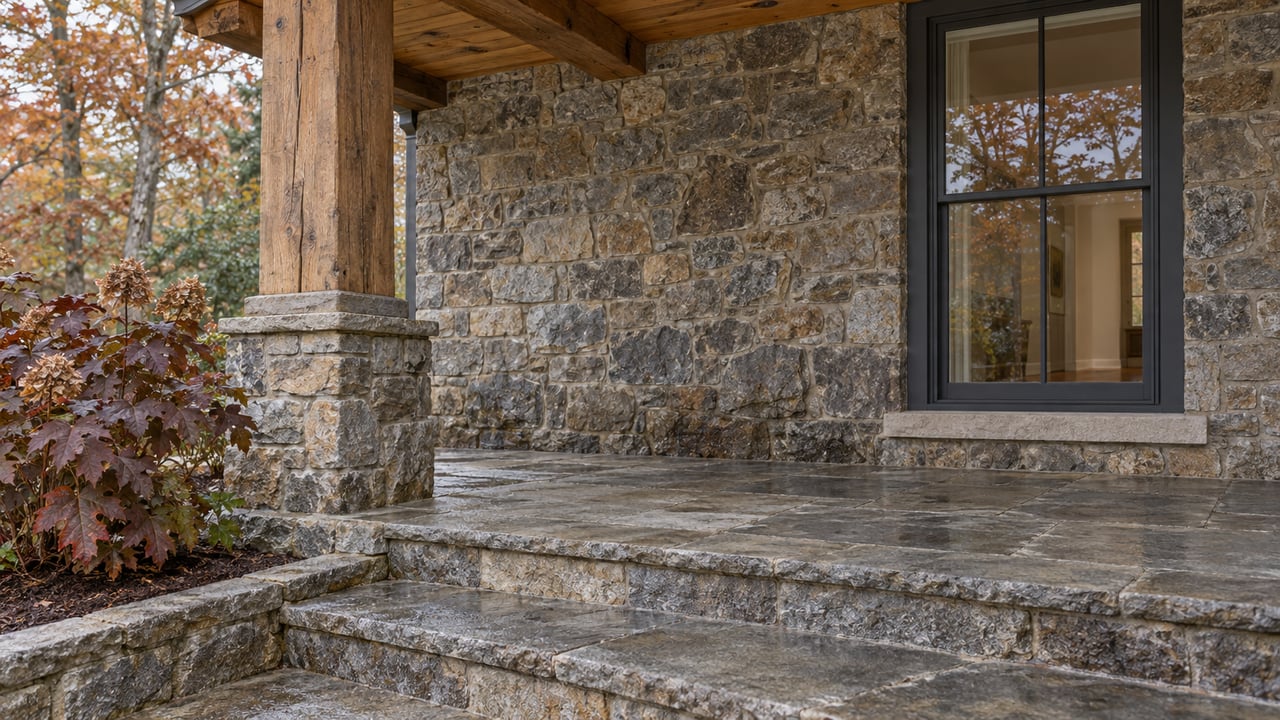
Mountain homes benefit from natural materials, but moderation matters in smaller footprints. Reclaimed wood shelving or a stone accent wall can add warmth without overwhelming the room. Earth-toned textiles tie interiors to the surrounding landscape near Cohutta Wilderness or downtown Blue Ridge. Balanced natural elements reinforce character without creating visual heaviness.
Avoid Over-Decorating
Why restraint works best
- Fewer, meaningful décor pieces
- Clear surfaces
- Consistent styling
Small spaces feel larger when décor is intentional rather than abundant. A curated selection of artwork or accent pieces maintains personality while preserving openness. Clear countertops and minimal accessories keep kitchens and living areas feeling functional and airy. Simplicity often delivers stronger impact than excess.
FAQs
Can small Blue Ridge cabins feel luxurious?
Yes. Thoughtful layout, quality materials, and cohesive design can create a refined atmosphere in limited square footage.
Should I use dark colors in a small space?
Dark tones can work as accents, but lighter palettes generally enhance openness.
Do built-ins increase resale appeal?
In many cases, yes. Functional storage is attractive to both full-time residents and second-home buyers.
Designing for Comfort and Efficiency in Blue Ridge
When maximizing space, you want to make sure every square foot works efficiently but doesn’t remove character. With strategic furniture choices, cohesive color palettes, and smart storage, even compact homes can feel open and inviting.
If you’re considering updates and want insight into effective interior design for small spaces in Blue Ridge, connect with us at Nathan Fitts & Team. We’ll help you evaluate improvements that enhance both everyday living and long-term market appeal.
If you’re considering updates and want insight into effective interior design for small spaces in Blue Ridge, connect with us at Nathan Fitts & Team. We’ll help you evaluate improvements that enhance both everyday living and long-term market appeal.