Owning a historic home in Blue Ridge, Georgia, offers a unique blend of charm, character, and architectural heritage. These homes reflect craftsmanship and materials not commonly used in modern construction, making them both valuable and delicate. Maintaining such a property requires careful attention to both the structure and its surroundings, including climate effects, landscaping, and seasonal changes. Success lies in balancing preservation with functionality for modern living. Homeowners must approach maintenance thoughtfully, focusing on both preventative care and long-term upkeep. This guide unveils practical strategies for preserving the integrity and beauty of historical homes in Blue Ridge.
Understand the Local Climate and Landscape
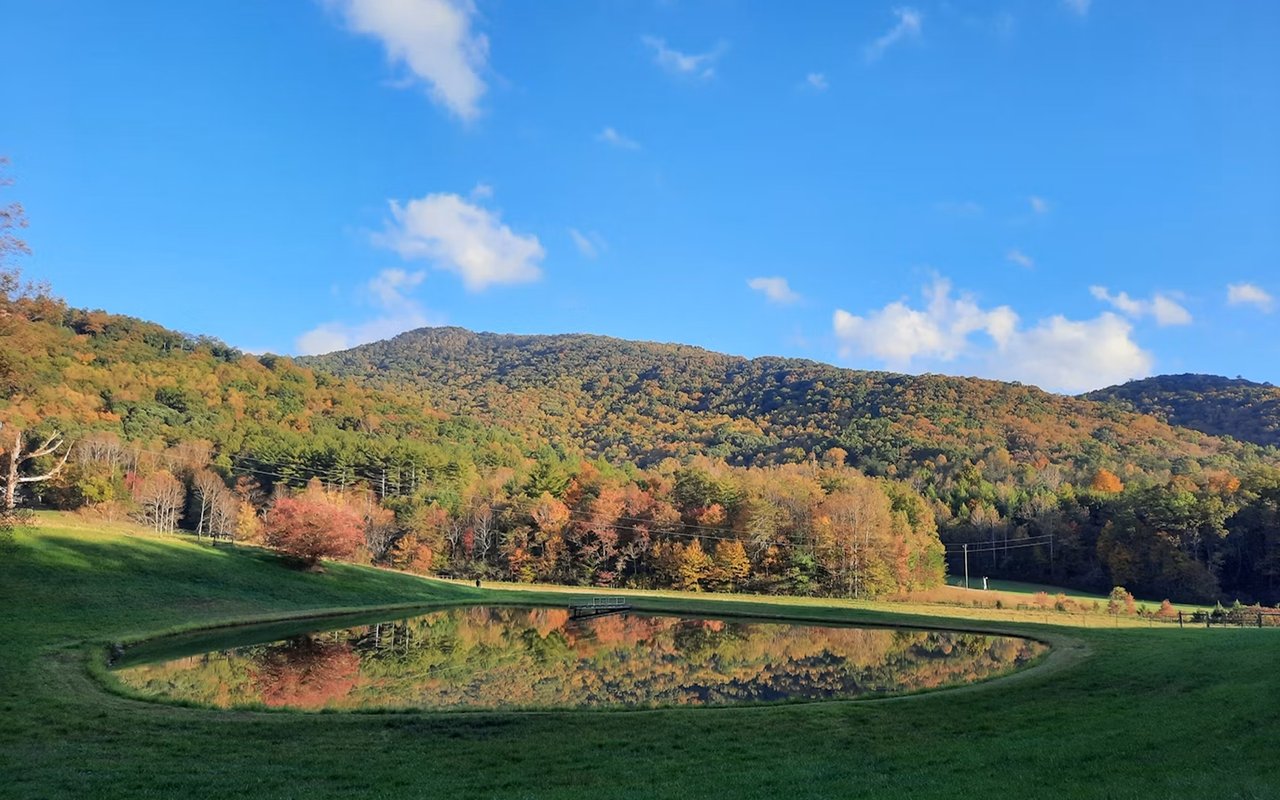
Blue Ridge is situated in the North Georgia mountains, where seasonal changes and weather patterns can impact historic homes. The area experiences significant rainfall, humidity, and temperature swings, all of which can affect building materials over time. Homes in wooded lots or on slopes may face additional risks like erosion, water runoff, or falling branches. Understanding these environmental factors is critical for preventative maintenance. Homeowners should regularly inspect their property for signs of moisture intrusion, roof damage, or foundation shifts. A clear awareness of how the landscape interacts with the home allows for proactive care that protects structural integrity and preserves the home’s historical character.
Prioritise Moisture and Drainage Control
Moisture is one of the biggest threats to historic homes, particularly in a mountainous region like Blue Ridge. Excess water can lead to wood rot, mold, foundation problems, and deterioration of masonry. Homeowners should ensure gutters and downspouts are clean and direct water away from the foundation. Grading the land around the house so water flows away from the structure is equally important. Regular inspections for leaks or areas of standing water are crucial to prevent long-term damage. By addressing moisture and drainage proactively, homeowners can protect both the structural health and aesthetic appeal of their historic property, reducing costly repairs in the future.
Preserve Original Materials and Architectural Character
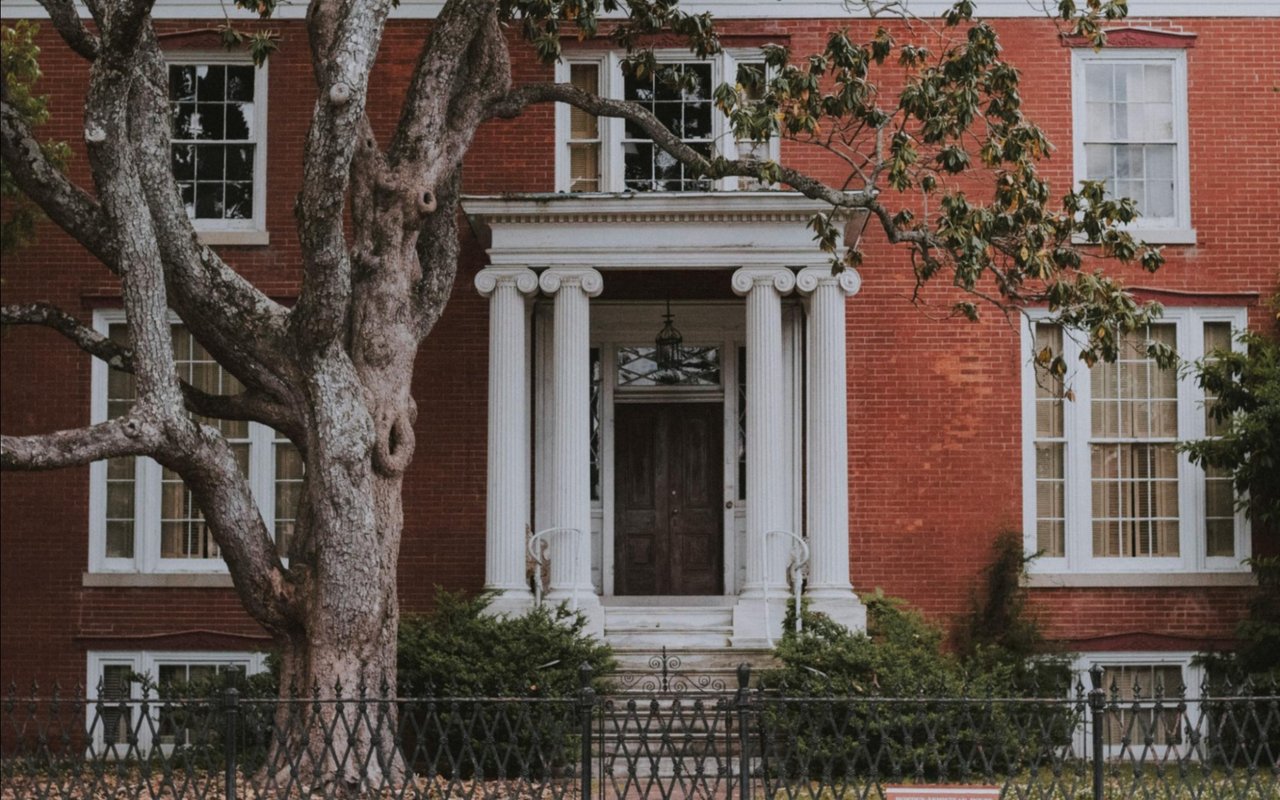
Maintaining the integrity of original materials is central to the care of historic homes. Many of these structures feature woodwork, brick, stone, or plaster constructed using methods uncommon today. When repairs are necessary, using materials and techniques compatible with the original construction is essential. Replacing materials improperly can compromise both the structure and its historical authenticity. Consulting with craftsmen experienced in historic properties ensures that repairs respect the home’s character. Even small details, such as window trim, decorative moldings, or porch railings, should be preserved whenever possible. Thoughtful care of original materials safeguards both the home’s beauty and its long-term value.
Establish a Season‑Wise Maintenance Routine
A structured maintenance routine aligned with seasonal changes helps protect historical homes from environmental wear. In spring, inspections of the roof, gutters, and exterior surfaces are vital, along with cleaning and minor repairs. Summer calls for attention to humidity control, deck upkeep, and exterior painting or sealing. Autumn is ideal for chimney checks, insulation assessments, and preparing heating systems. Winter requires vigilance for freezing pipes and maintaining heating equipment. By addressing maintenance tasks seasonally, homeowners prevent small issues from becoming major problems. A consistent routine ensures the property remains safe, functional, and preserved throughout the year, supporting both comfort and longevity.
Properly Maintain Wood, Porches and Exterior Features
Wooden elements such as porches, siding, columns, and decorative trim give historic homes their charm but require consistent attention. Regular inspections for rot, insect damage, peeling paint, or structural weaknesses are essential. Repairs should prioritize restoring existing wood rather than replacing it when possible. Sealing or repainting surfaces helps protect them from moisture, sun, and temperature fluctuations common in Blue Ridge. Porches and balconies, in particular, should be checked for stability, and loose boards or railings repaired promptly. Maintaining these exterior features not only preserves the home’s visual appeal but also ensures the structural safety of areas that are frequently exposed to the elements.
Ensure Mechanical, Electrical and Plumbing Systems Are Up to Date
Historic homes often contain older mechanical, electrical, and plumbing systems that require careful maintenance or upgrades. Ensuring these systems operate efficiently is essential for safety, comfort, and the preservation of the building. Plumbing leaks, outdated wiring, or inefficient heating systems can cause damage if ignored. Upgrades should be carried out thoughtfully to minimize impact on the home’s historic fabric. Regular inspections and servicing can prevent issues before they escalate. Attention to HVAC systems, pipe insulation, and electrical wiring protects both the structural integrity and livability of the home. Combining modern functionality with historic preservation enhances longevity and owner satisfaction.
Use Landscaping and Site Planning to Support the Home
The area surrounding a historic home plays a critical role in its preservation. Proper landscaping can prevent water intrusion, manage runoff, and protect the foundation. Trees should be trimmed to prevent branches from damaging roofs, and plantings placed strategically to reduce moisture against the house. Driveways and walkways should allow water to flow away from the structure. Maintaining the landscape also helps preserve the aesthetic appeal that complements a historic home. By integrating site planning with maintenance strategies, homeowners can reduce environmental threats, improve safety, and enhance the property’s beauty, all while safeguarding the historical integrity of the home.
Take the Next Step in Real Estate
Purchasing a historic property requires insight into both preservation and market considerations. Working with knowledgeable professionals ensures that homeowners make informed decisions, protect their investment, and enjoy the unique qualities of historic architecture. Whether you’re seeking a mountain retreat or a long-term investment, contact Nathan Fitts & Team today to find your dream home.
*Header photo courtesy of Unsplash
*Header photo courtesy of Unsplash